Cyclotron, Inc.
Nicholas—I built this dedicated technical brief rather than dropping a generic PDF into an ATS queue.
Your posting describes a specific hybrid: a founding engineer assigned to a product area who operates independently in ambiguity, challenges weak or incomplete requirements before writing code, evaluates AI-generated output with seasoned engineering judgment, and ships resilient SaaS end-to-end.
To be clear: this is not amateur “vibe coding”—hoping an LLM hallucinates a working app and getting trapped in loops of syntax errors. My background is rooted in mission-critical hardware, telemetry pipelines, and clinical accelerators where unvetted logic has immediate real-world consequences. I leverage AI as a force multiplier for rapid scaffolding, test matrix generation, and concurrent linting, while owning architectural invariants, data models, AST verification, and production safety with first-principles engineering rigor.
Below is the direct, unvarnished mapping of how I operate, the remote command infrastructure I run daily, and the live production systems I have architected and shipped. No buzzwords, no hypothetical case studies—just verified code, running systems, and direct answers to your requirements.
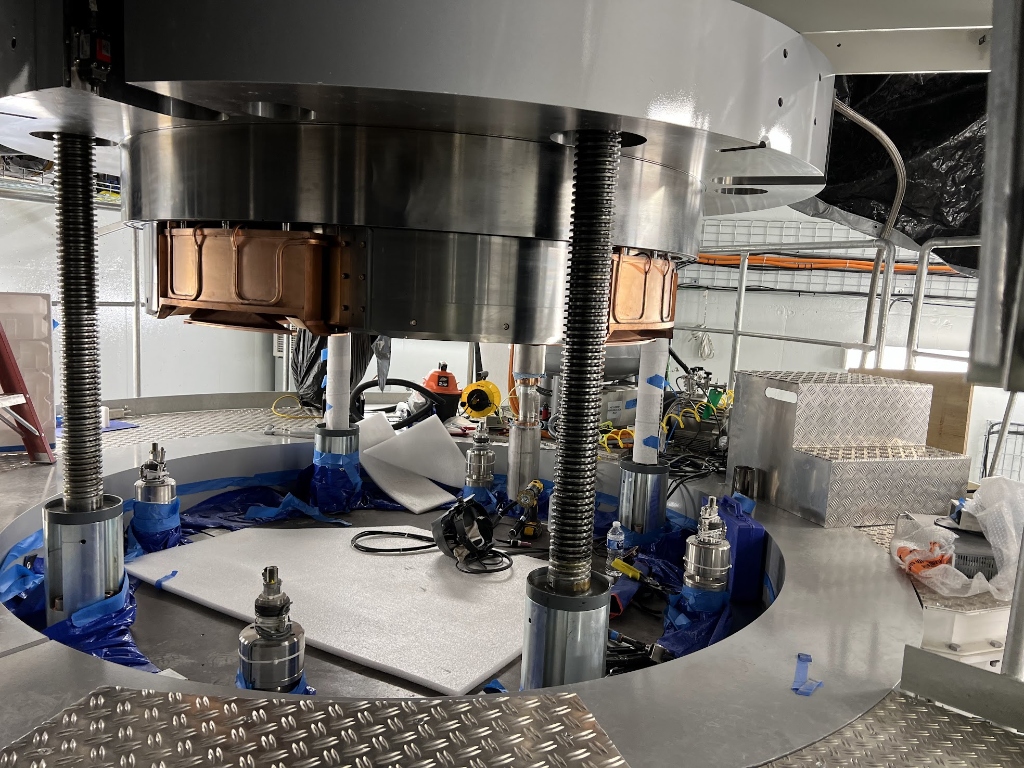
P.S. When I first saw “Cyclotron, Inc.” on your posting, for a split second I smiled and wondered if we were commissioning superconducting particle beamlines again :) (Photo of the actual cyclotron core I commissioned at OSF Saint Francis is documented in Pillar 02 below).
Remote Command Station & Field Readiness
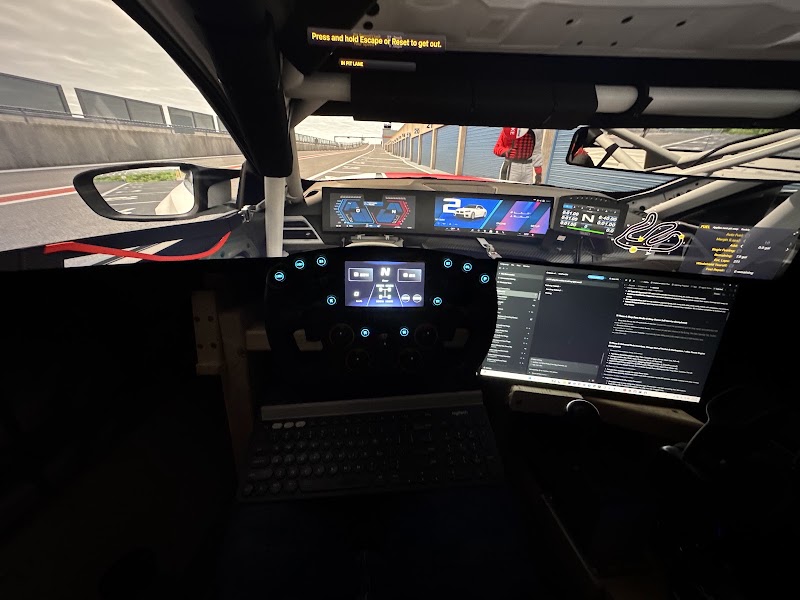
Multi-Display 4K Command Workstation
Dedicated multi-display 4K workstation engineered for concurrent engineering tasks: one display locked to primary code editor and AST trees, one dedicated to multi-agent AI execution and test harnesses, and one dedicated to live browser runtime, database inspectors, and telemetry logs.
Mobile Starlink Satellite Field Terminal
Equipped with an active mobile Starlink satellite field terminal providing instant high-bandwidth internet anywhere on the road, in remote shops, or trackside. When an urgent production issue strikes or immediate response is required (“if we need something right now”), I am online with low latency and zero excuses.
Proven Solo Driver & Force Multiplier
Zero hand-holding required. I do not wait around for someone to write tickets or unblock minor hurdles. Give me a high-level product objective and constraints, and I break it down into data schemas, API contracts, UI workflows, and deployable milestones—delivering completed features autonomously.
Not Scared to Speak Up & Challenge Assumptions
I do not nod along when a proposed requirement creates unmaintainable complexity, security holes, or brittle edge cases. I speak up respectfully, present concrete failure modes, and propose simpler, more durable architectures that protect the product roadmap from compounding technical debt.
Full Job Spec Alignment (5 Pillars)
“Operate as a founding engineer assigned to a product area—taking vague business objectives and turning them into working software without waiting for tickets.”
Cyclotron needs self-directed product builders who discover user pain points, write the technical specs, and ship working features end-to-end.
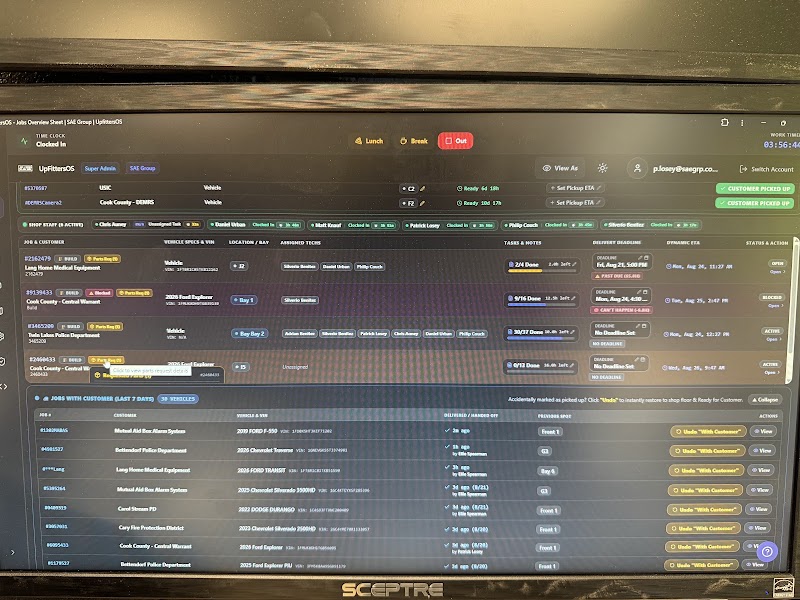
Conceived, architected, and shipped UpfittersOS, ShopOS, and GridPass entirely from zero. Synthesized complex real-world workflows in fleet upfitting and commercial fab shops into clean data models, intuitive interfaces, and production SaaS currently handling live user operations.
Full-stack Next.js App Router, Firebase/Node runtime, real-time client state hydration, automated dirty-state form persistence, and Stripe Connect multi-tenant billing.
“Question unclear requirements, identify unhandled edge cases, and surface architectural risks before writing code.”
Moving fast with AI means bad assumptions get coded into production ten times faster if engineers act as passive ticket-takers.
Trained in high-consequence environments (championship motorsport and clinical medical physics) where unexamined assumptions result in blown $100k race engines or compromised radiation therapy dosages. I actively dissect PRDs, map boundary conditions, and catch broken invariants in design before they reach code review.
Schema-first validation, defensive API boundaries, state machines with explicit failure branches, and rigorous error recovery protocols.
“Deep engineering judgment to evaluate AI-generated code, catch subtle hallucinations, identify security gaps, and ensure long-term maintainability.”
LLMs generate convincing code that frequently hides subtle memory leaks, phantom dependencies, non-existent SDK methods, and security vulnerabilities.
A seasoned systems engineer treats AI code like an unverified pull request from an eager junior developer. I draw a sharp contrast with amateur 'vibe coding'—I do not prompt in loops hoping an LLM guesses the fix. I leverage AI as a high-velocity force multiplier for rapid scaffolding, test coverage, and syntax synthesis, while personally evaluating memory models, AST structures, compiler diagnostics, and production safety invariants. Background includes commissioning lead on the Siemens Healthineers Varian ProBeam 360 Proton Therapy accelerator at OSF Saint Francis (sub-millimeter beam accuracy) and Trackside IndyCar telemetry liaison with Honda HRC (Indianapolis 500 victory, 2x Manufacturer Championships). Zero tolerance for fabricated APIs, hallucinated libraries, or unvetted logic.
Multi-agent AI orchestration architecture running parallel research and verification passes with mandatory static type checking, unit assertions, and raw file audits.
Static AST inspection, hallucinated dependency scans, non-existent SDK method detection before execution.
Data model schema invariants and boundary assertions before any mutation.
Tool execution sandboxes, compiler governors (strict daily quotas, rate limit backoffs).
Deterministic rollback playbooks, unit test assertions, and atomic state recovery.
Managing multi-agent state persistence across discrete sessions via deterministic task logs (TASK_QUEUE.md), preventing context degradation.
“Sound SaaS architecture across data models, APIs, frontend/backend architecture, permissions, and operational dashboards.”
Product areas require rock-solid relational/document data models, role-based access control (RBAC), robust APIs, and comprehensive admin tools.
Architect of the canonical 7-root schema powering the GridPass ecosystem. Designed multi-tenant RBAC claim hierarchies, 60Hz telemetry bridge daemons (PyIRSDK / WebSocket IPC), clean REST interfaces, and operational telemetry explorers handling streaming time-series data.
Normalized document schemas, secure token claims, atomic transactional writes, and low-latency IPC bridges connecting local hardware daemons to cloud backends.
While Firebase/Next.js was selected for rapid solo SaaS velocity in ShopOS and GridPass, systems architecture principles translate directly to enterprise Azure: Microsoft Entra ID (OIDC/SAML token claims), Azure Cosmos DB, Azure Container Apps, and strict compliance postures (SOC2 Type II / HIPAA).
“Design and build polished, intuitive SaaS workflows, dashboards, tables, filters, empty states, and error states.”
A product engineer must own the user experience directly—ensuring interfaces are responsive, clear, and resilient under real-world usage.
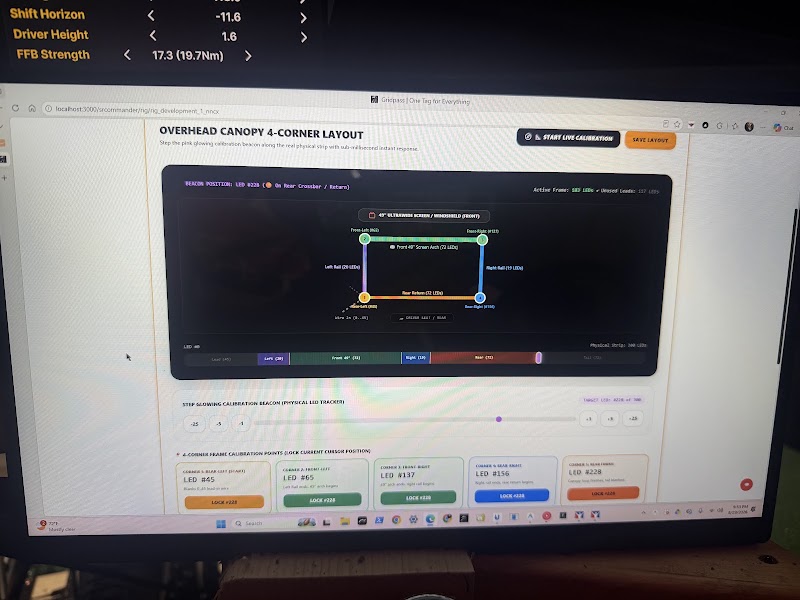
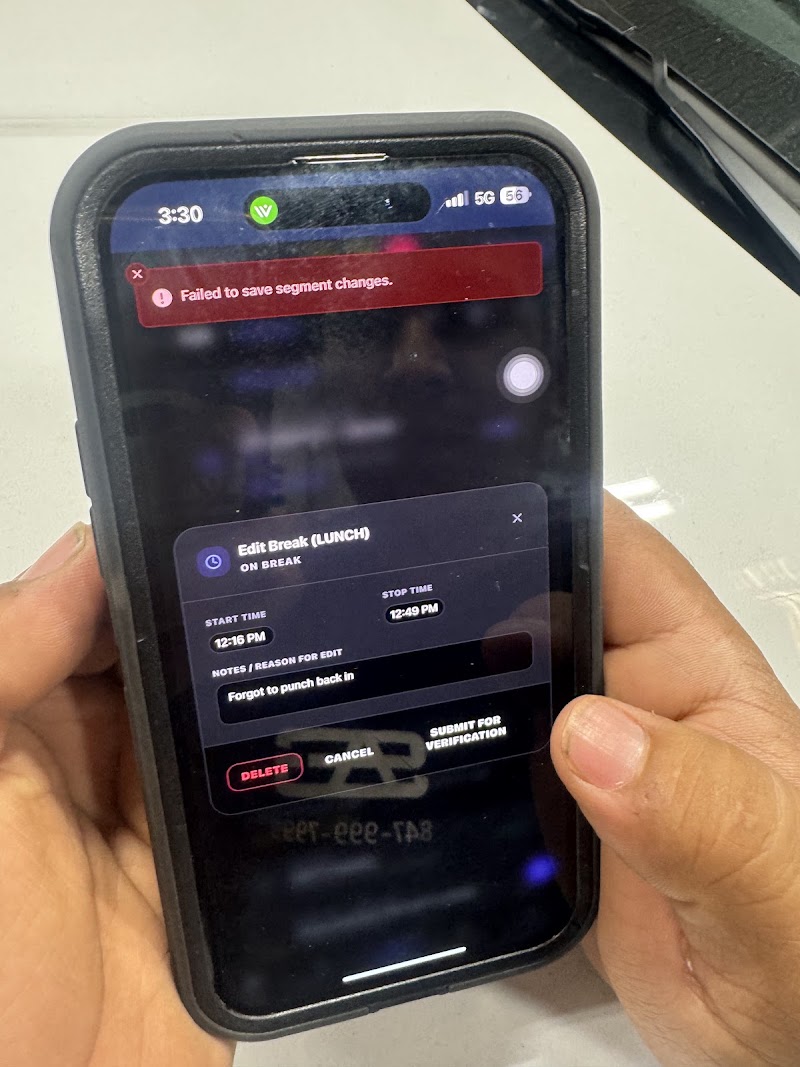
Engineered the Daylight Design System: high-contrast, space-efficient UI built for grease-covered shop hands and trackside paddock tablets. Strict 44px+ touch targets, zero mobile horizontal side-scrollers (filterable dropdown standard), and viewport-docked floating dirty-state save bars with automatic `isDirty` state tracking.
Tailwind CSS, mobile-first responsive viewports, accessible keyboard controls, animated skeleton states, and optimistic UI transitions.
Asynchronous Communication & Written Rigor
In a distributed, remote engineering team, written clarity is an engineering deliverable. I operate with high-signal, asynchronous communication that minimizes meetings while ensuring total visibility into decisions and trade-offs:
Every pull request includes explicit context, architecture trade-offs, potential failure modes, manual verification steps, and automated test coverage—enabling teammates to review efficiently without back-and-forth guessing.
When a data model limitation, rate limit, or security boundary poses risk to a timeline, it is surfaced immediately in writing with concrete alternative solutions—never swept under the rug until sprint deadline.
Concise daily debriefs answering three questions: what shipped to production, what is currently under execution, and what edge cases or dependencies require architectural alignment.
Candidate Dossier & Primary Downloads
Connect Directly with PJ Losey
“Available for a 15-minute introductory technical alignment call.”